


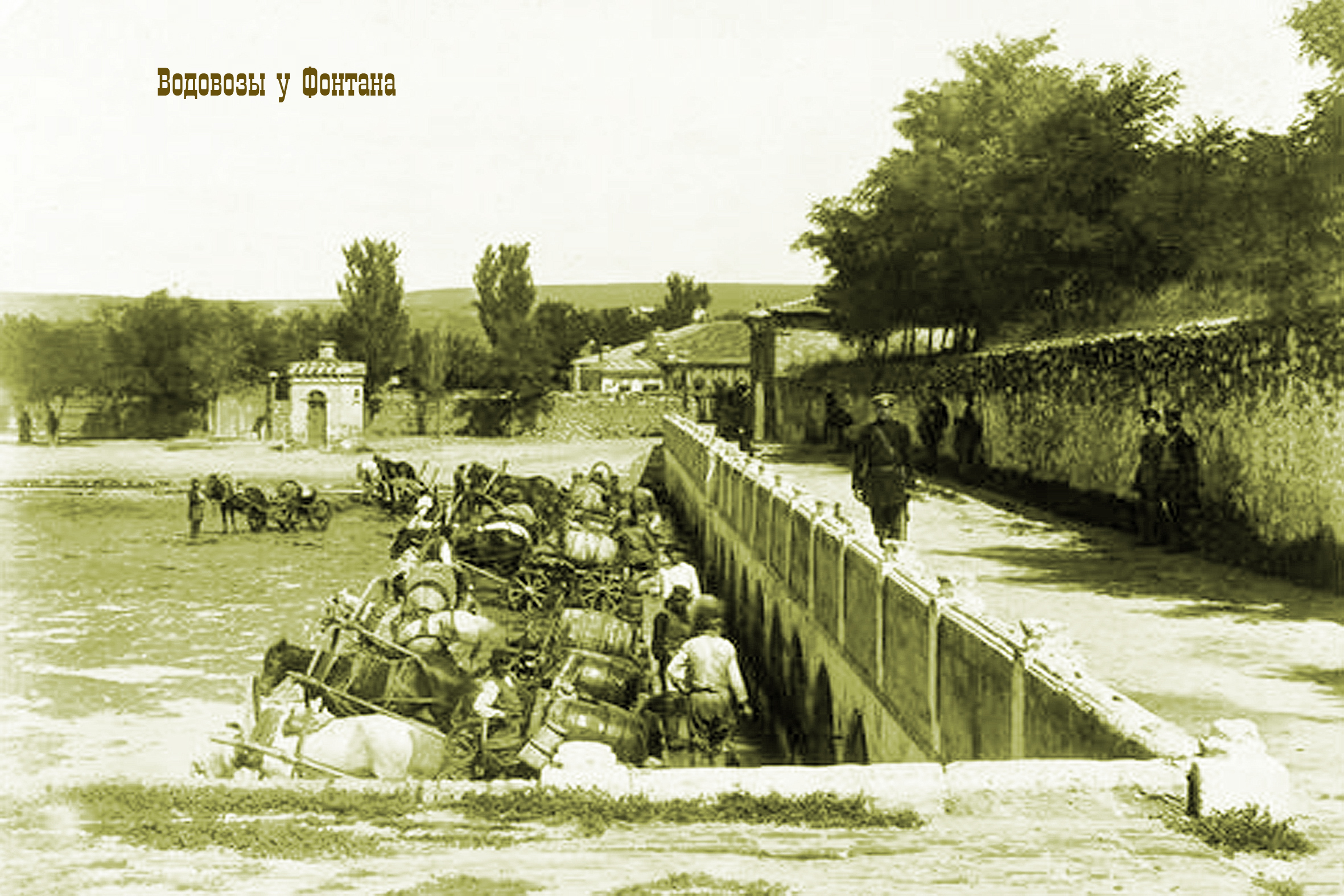
The history of Chișinău can be traced through its streets, surviving buildings and places transformed over time. From a name recorded in a medieval document to the capital of the Republic of Moldova, the city has undergone changes in administration, expansion and reconstruction that help explain its appearance today.
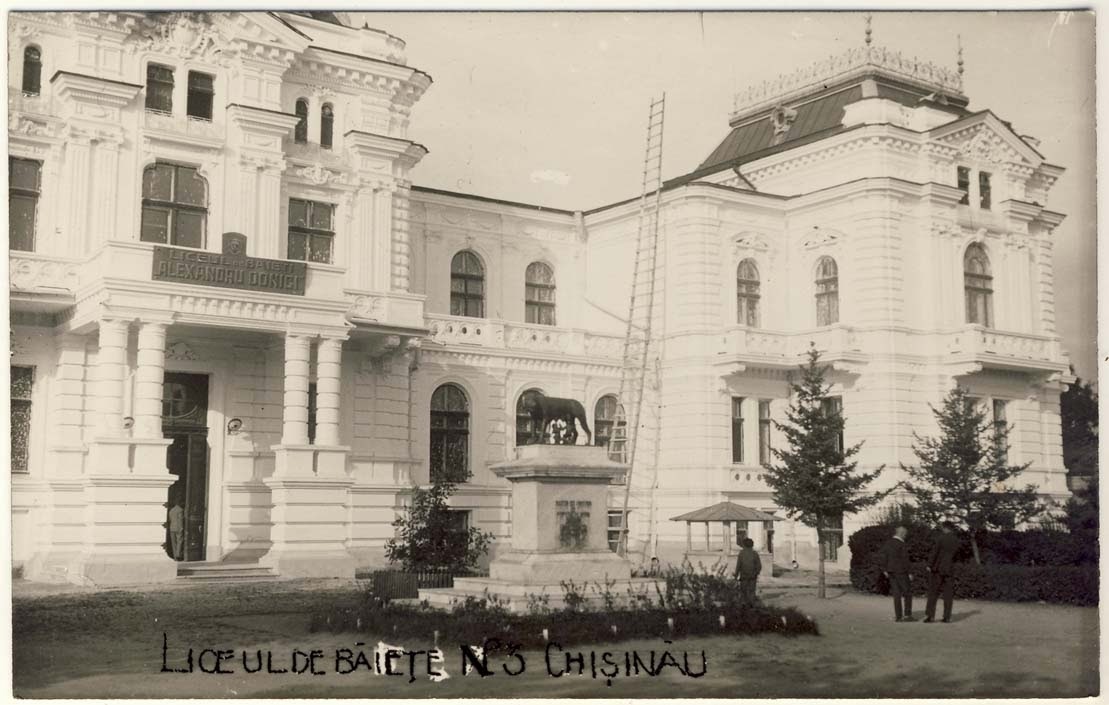
The Earliest Written Records
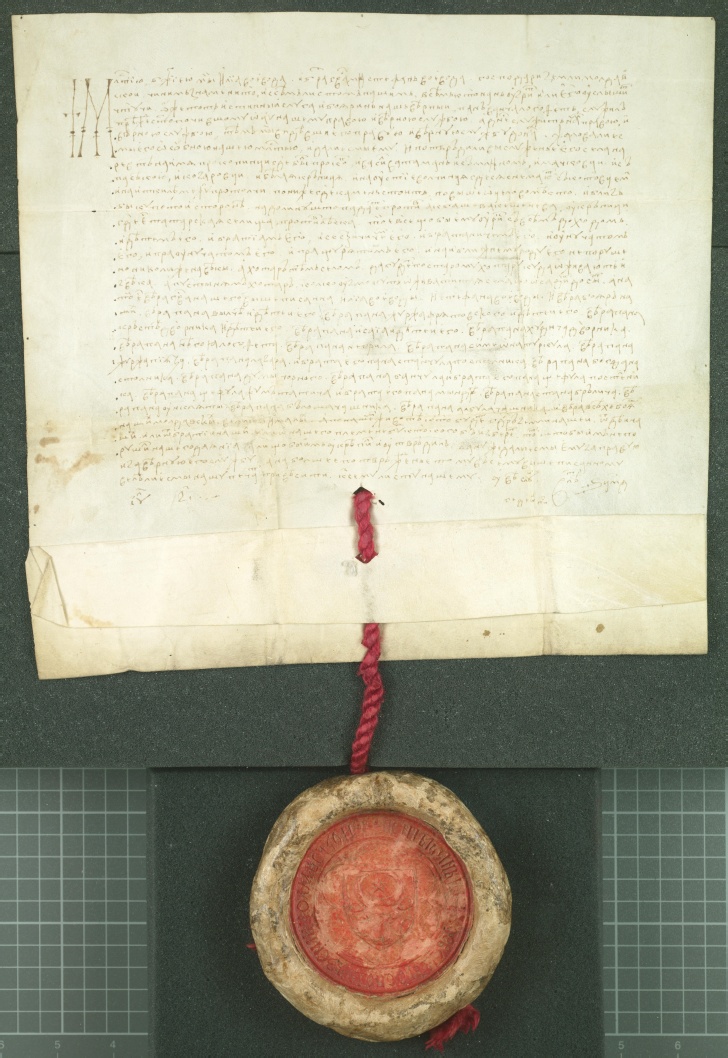
17 July 1436 marks the earliest known written reference to the name Chișinău. A document issued by Ilie and Ștefan, rulers of the Principality of Moldavia, mentions “Cheșenăul lui Acbaș” as a landmark used to define property boundaries near the Bâc River.
The document records a place name rather than the founding of a town. Later references trace Chișinău’s evolution from a location in the Bâc valley into a settlement that would, centuries later, become the capital of the Republic of Moldova. In 1576, Chișinău was explicitly described as a village; by 1666, it appeared as a market town, reflecting the development of trade and crafts.
The Nineteenth Century: A City Takes Shape
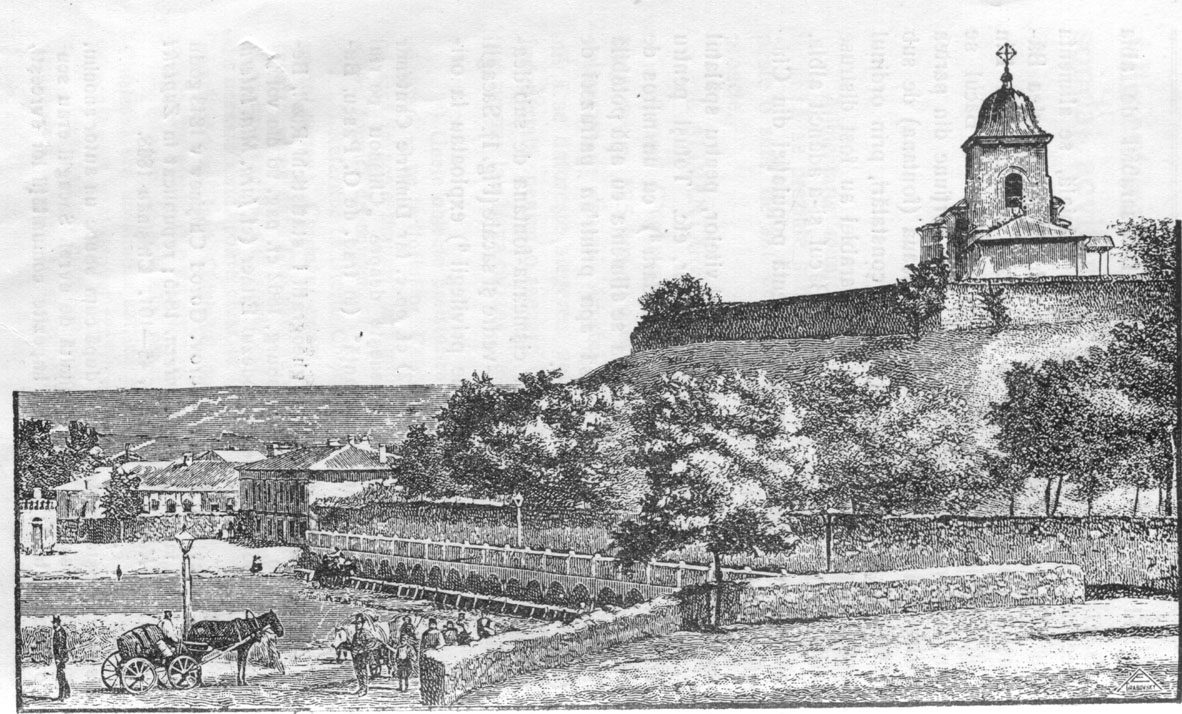
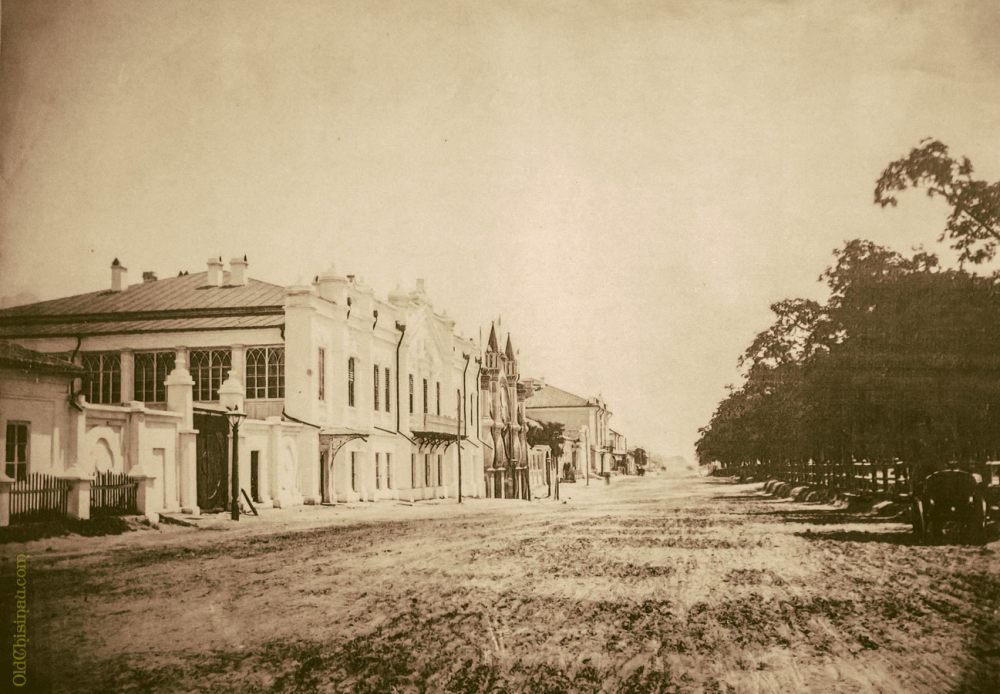
Following the Russian Empire’s annexation of the territory between the Prut and Dniester rivers in 1812, Chișinău developed as the administrative centre of Bessarabia. This status, confirmed in 1818, contributed to the city’s expansion and reorganisation.
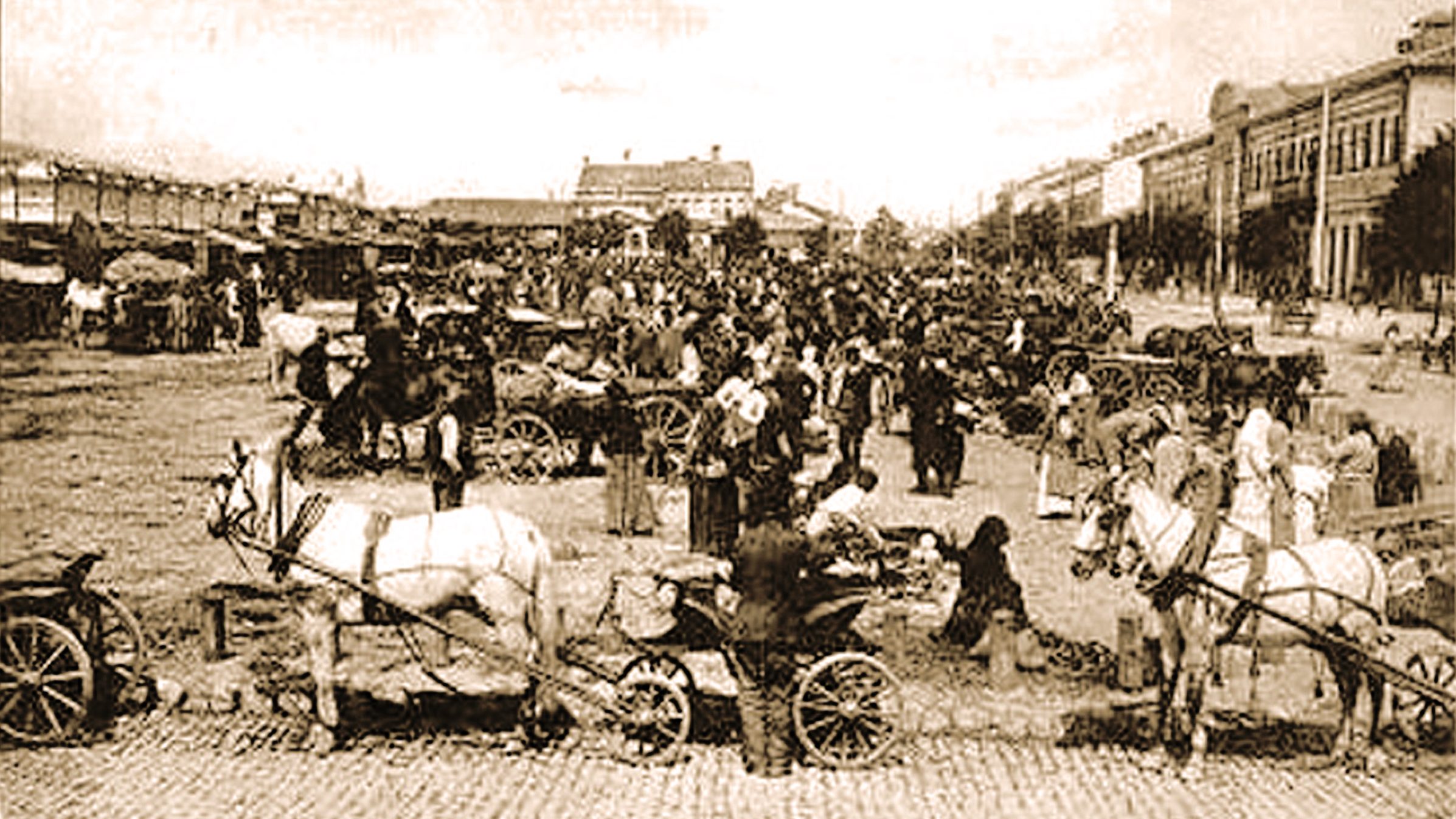
Plans dating from 1817 and 1834 document this transformation. Alongside the older settlement, new districts were laid out with straight streets and regular blocks. These plans provide important evidence of how the city developed.
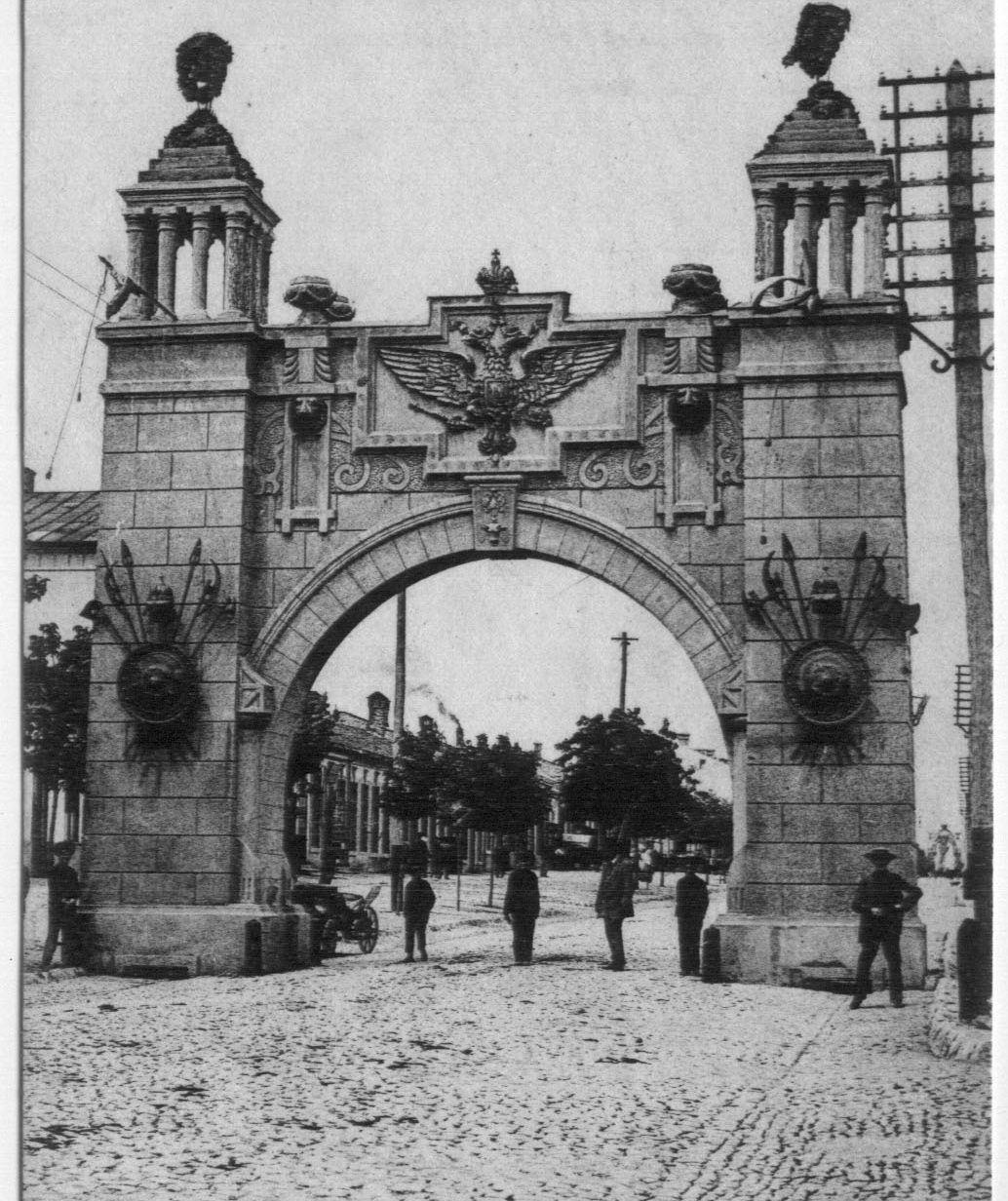
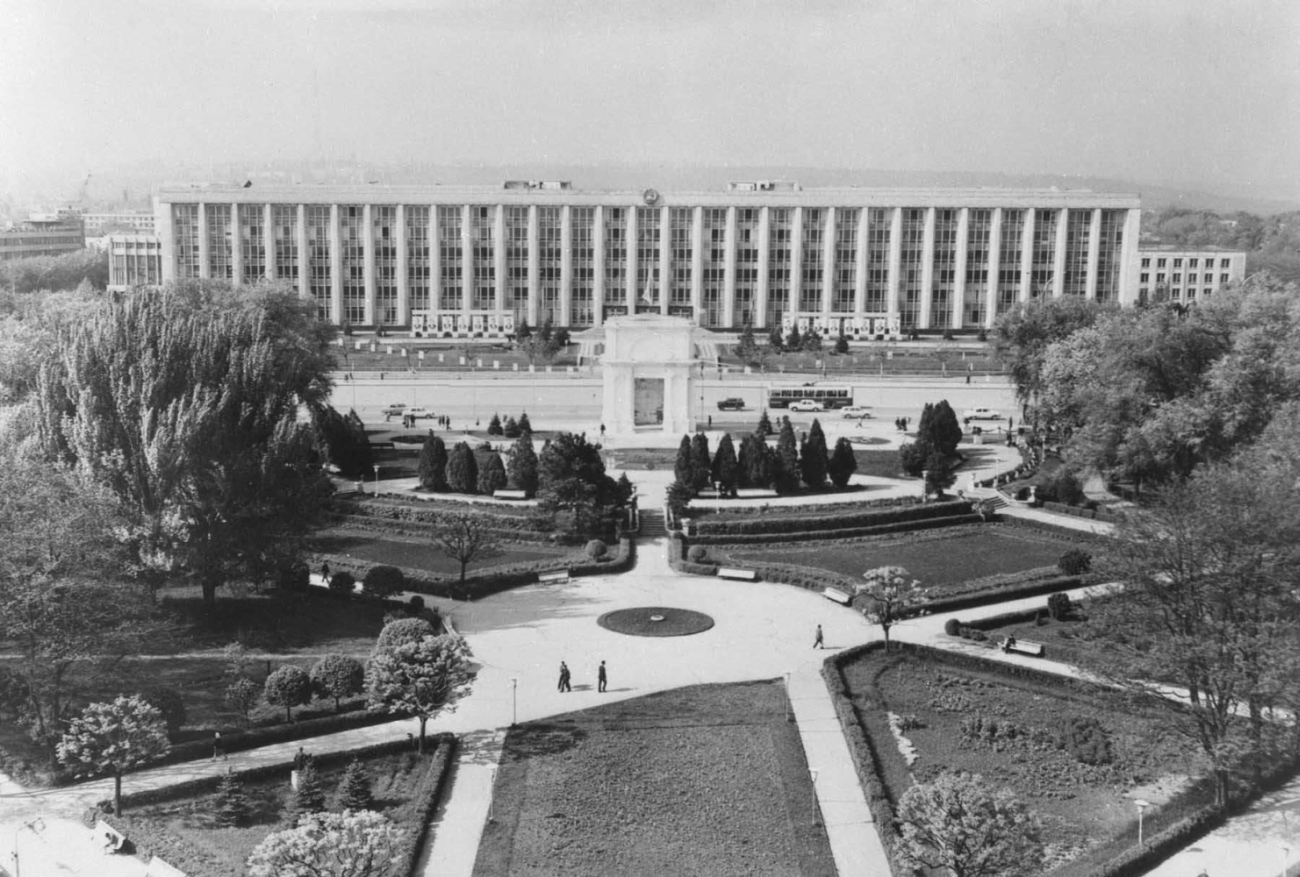
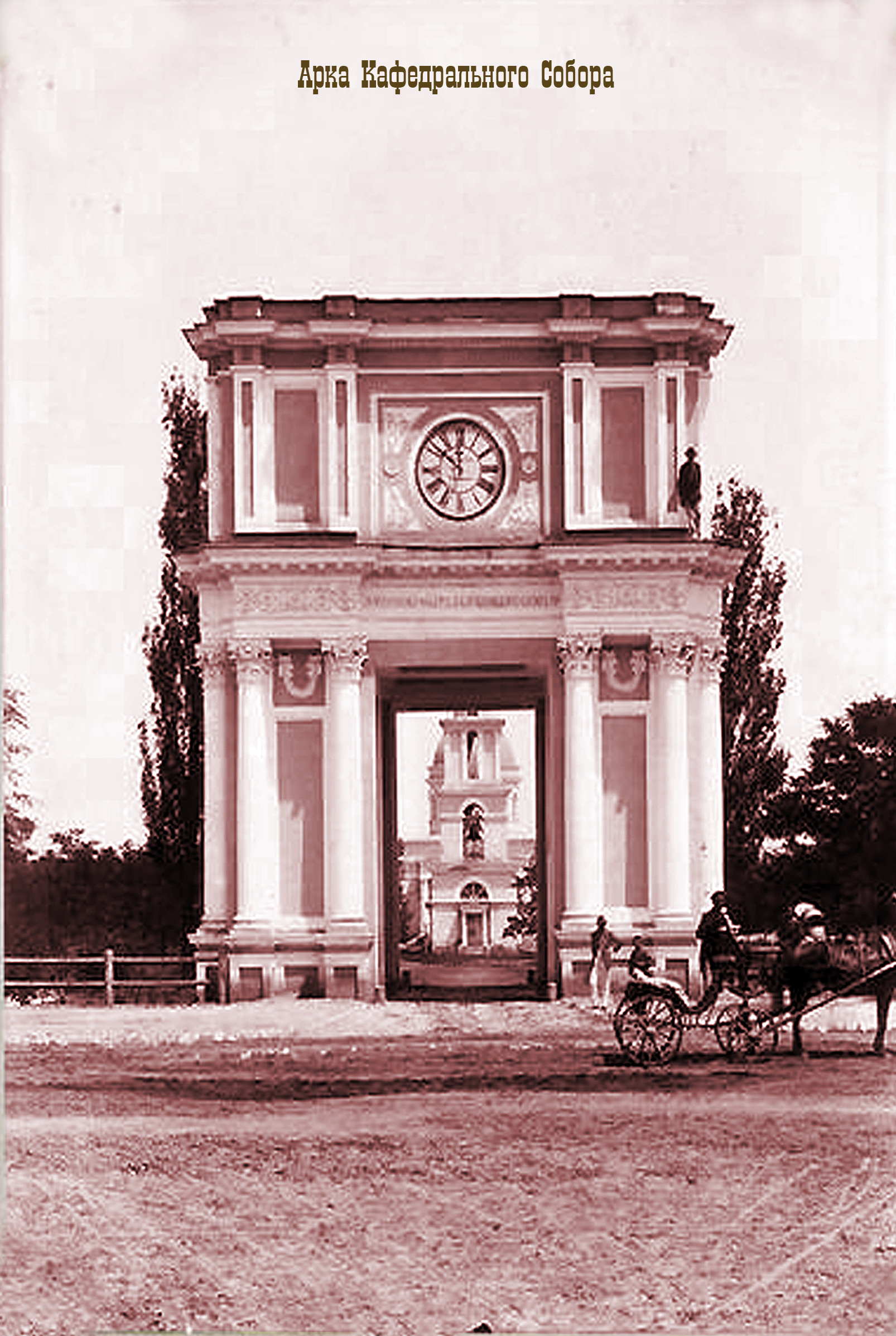
Two landmarks that still define central Chișinău date from this period: the cathedral and bell tower, completed in 1836, and the Triumphal Arch, built in 1841. Together, they recall the years when the city was consolidating its administrative role.
The Twentieth Century: Change and Reconstruction
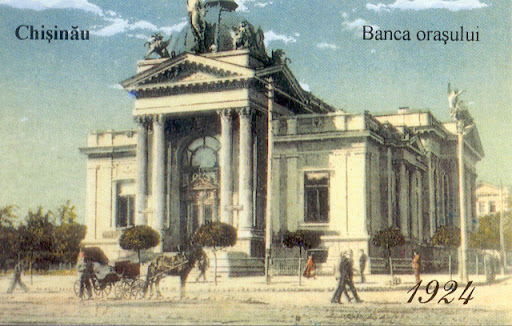
In 1918, Chișinău was at the centre of the political events leading to Bessarabia’s union with Romania. The city remained part of Romania throughout the interwar period. In 1940, it came under Soviet rule and became the capital of the Moldavian Soviet Socialist Republic. Romanian administration returned between 1941 and 1944, after which the Soviet Union regained control.
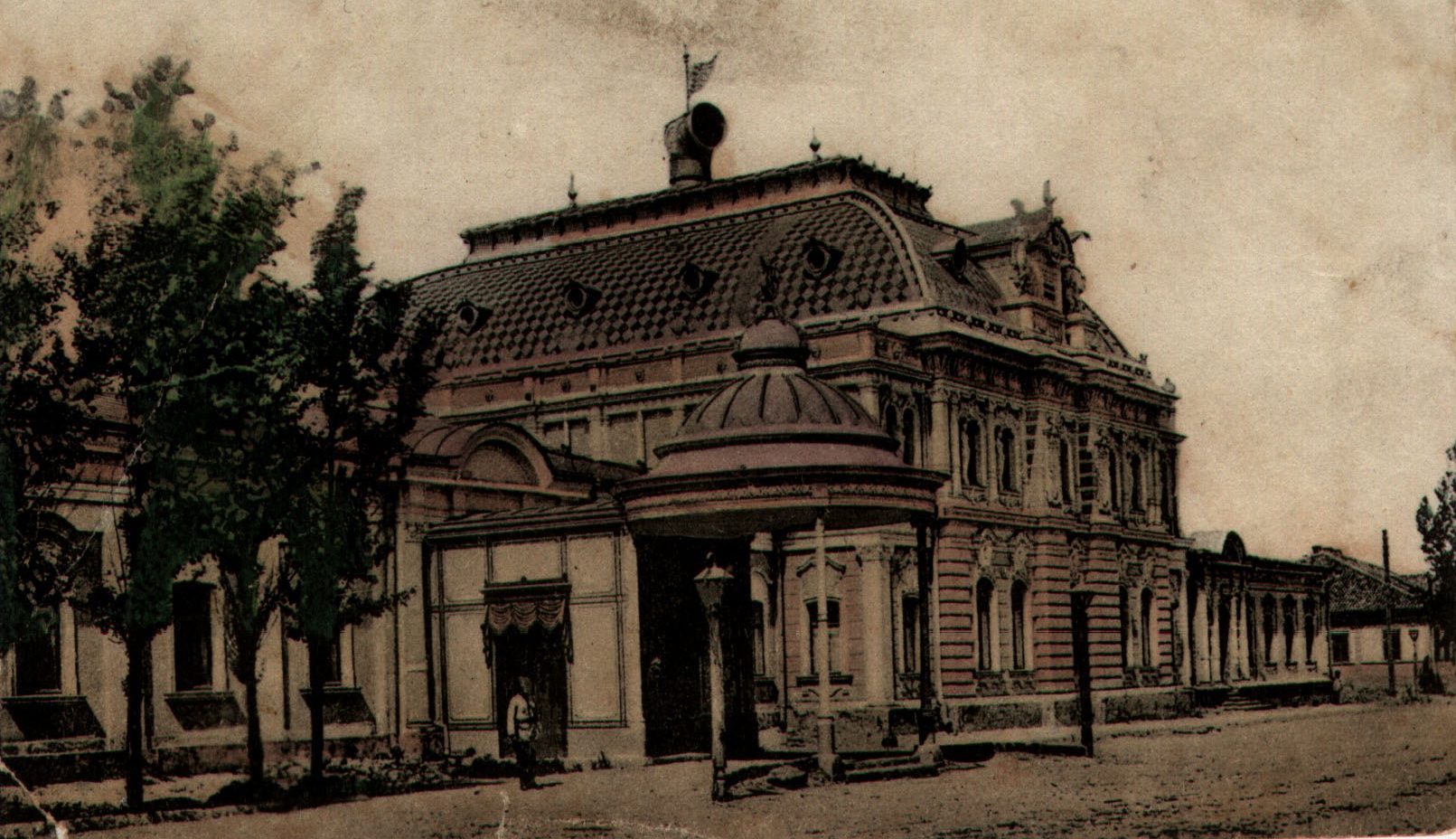
Destruction during the Second World War and subsequent reconstruction substantially altered the city’s appearance. These changes help explain the mix of historic buildings and Soviet-era architecture visible today.
When the Republic of Moldova declared independence on 27 August 1991, Chișinău became the capital of the independent state.
Discovering Chișinău on Foot
The cathedral ensemble and the Triumphal Arch offer a starting point for exploring the city’s history. Continue through the surrounding streets, paying attention to the proportions of buildings, details on their façades and differences between architectural periods.
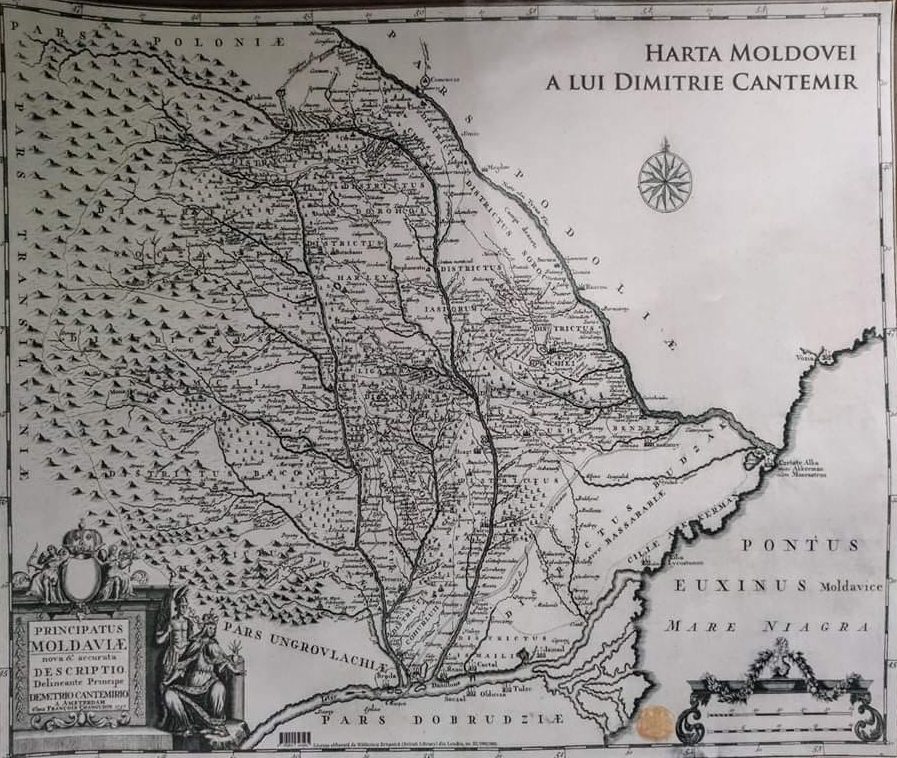
An old photograph or historical map can add another dimension to the walk, revealing what has survived and what has changed—and connecting the city’s past with the places in front of you.
Explore Chisinau and Discover More of Moldova
Want to experience the city’s history beyond the pages of this article? Explore the historic landmarks, architecture and cultural heritage of the capital with a Chișinău walking tour or discover more attractions through our Chișinău travel guide. At Journey.md, you can also find guided tours in Moldova that take you beyond the capital to the country’s most fascinating destinations. Choose your next experience and start exploring Moldova!